Speciesism
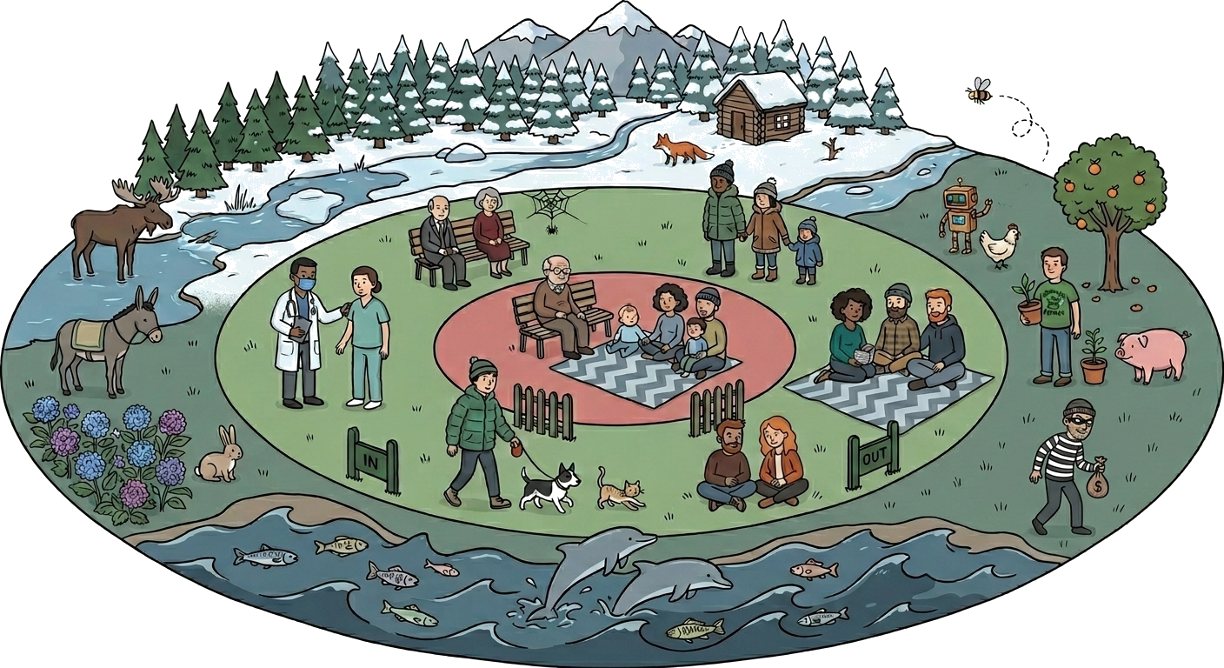
Humans’ relationship with other animals is complex. Certain species (e.g., dogs) are cared for deeply and seen as members of the family, while at the same time, other species that have similar emotional and cognitive capacities face systemic harm (e.g., pigs).
I investigate speciesism, a belief system that marks humans as superior to other animals, and legitimises differential treatment of animals based on their species membership or societal categorisation. How does speciesism develop between childhood and adulthood? How does cultural background influence how people morally value animals? What psychological characteristics determine whether a person attaches high moral value to animals, or believes that animals should have no rights?